In sponsorship, timing isn’t just important, it’s often the difference between opportunity and loss. Yet, too often, deal timing is treated as a passive element instead of a strategic lever.
Over the past few months, we’ve seen first-hand how brand-side delays and assumptions can compromise otherwise well-structured sponsorship strategies. In two separate cases, the brands were in a position to win. But deal momentum was lost, either through internal delays or misplaced trust, and with it, control of the outcome.
These weren’t failures of strategy or evaluation. They were failures of timing.
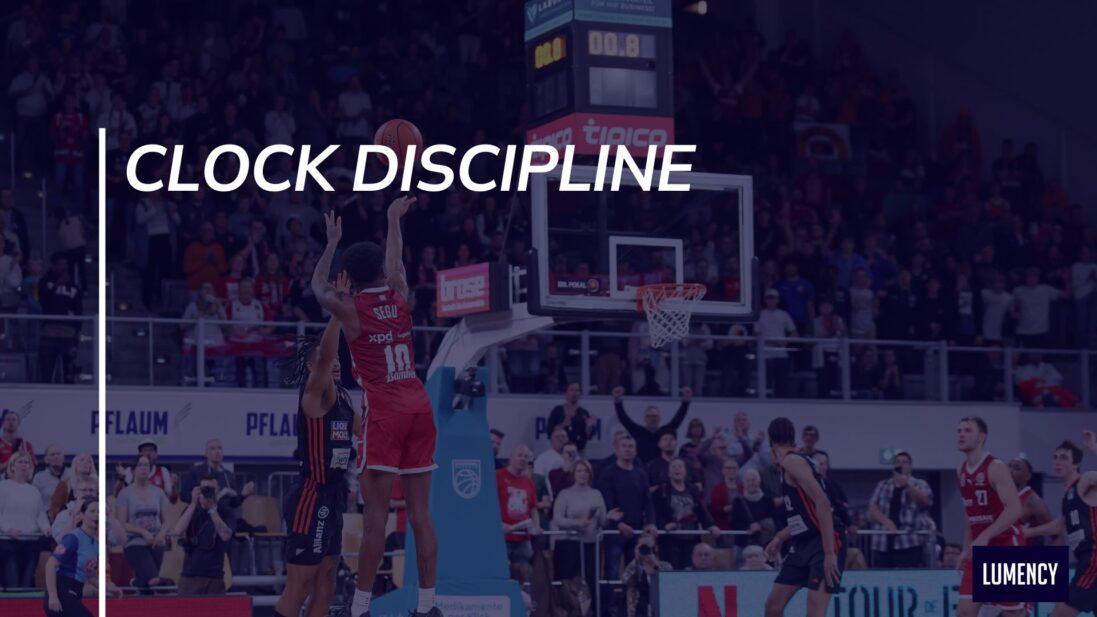
The Clock Is a Strategic Asset
At any negotiation table, the party that controls the clock often controls the table. In sponsorship, where properties are managing competitive demand across categories and geographies, brand owners must manage internal processes without losing sight of the external dynamics at play.
If a sponsorship is a good fit for your business, it’s likely a good fit for a competitor as well. Categories like financial services and beverage alcohol are especially competitive, but the principle applies broadly: the longer a brand waits to engage, the more vulnerable the opportunity becomes.
Real-World Lessons (That Didn’t Need to Be Learned)
In one case, a brand received a proposal from a property and let it sit for months. There was some internal appetite but no urgency. By the time a decision-making process had started, the property had signed a category competitor. The window wasn’t just closed. It had disappeared.
In another instance, a brand was negotiating a large renewal. We had built a clear evaluation framework and a strong negotiation strategy. But the exclusive negotiation window expired despite our recommendation to extend it, with a commitment from the partner they would act in good faith and not explore other offers. A competitor entered quickly and overbid. Wisely, the client declined to match. But the original opportunity was gone.
In both situations, we had advised earlier intervention. These weren’t strategy issues. They were timing breakdowns that can happen to even the most capable teams.
Why This Happens—And How to Prevent It
Most brand owners aren’t used to buying marketing pressure in a competitive environment. Media buys have elasticity and scale. Sponsorship doesn’t. There’s often one asset, one partner, one window.
Add in the internal complexity that often exists around sponsorship, multiple stakeholders, funding approvals, performance validations, and it’s easy for brands to get overly focused on what’s happening inside the building and lose sight of what’s happening in the market.
This is where governance matters. Clear decision timelines, internal alignment frameworks, and an understanding of the property’s category pressures are essential. It’s not just about evaluating fit and value. It’s about being ready to move.
Strong Strategy Requires Strong Timing
Sponsorship strategy lives in the real world. That means navigating both internal complexity and external competition. Having the right partner or property in mind is only part of the equation. Getting to the table at the right time, and with a readiness to act, is just as critical.
At Lumency, we help brand owners not just build smart sponsorship strategies but move at the speed the market demands. We integrate timing into our governance frameworks, so brand owners can avoid preventable losses and operate with more confidence, clarity, and control.
Want to make sure deal timing doesn’t cost you your next big opportunity?
You can grab time here: https://app.usemotion.com/meet/k5cgbpd/30min. Or if you’d prefer, I can handle booking—just send over your avails.