
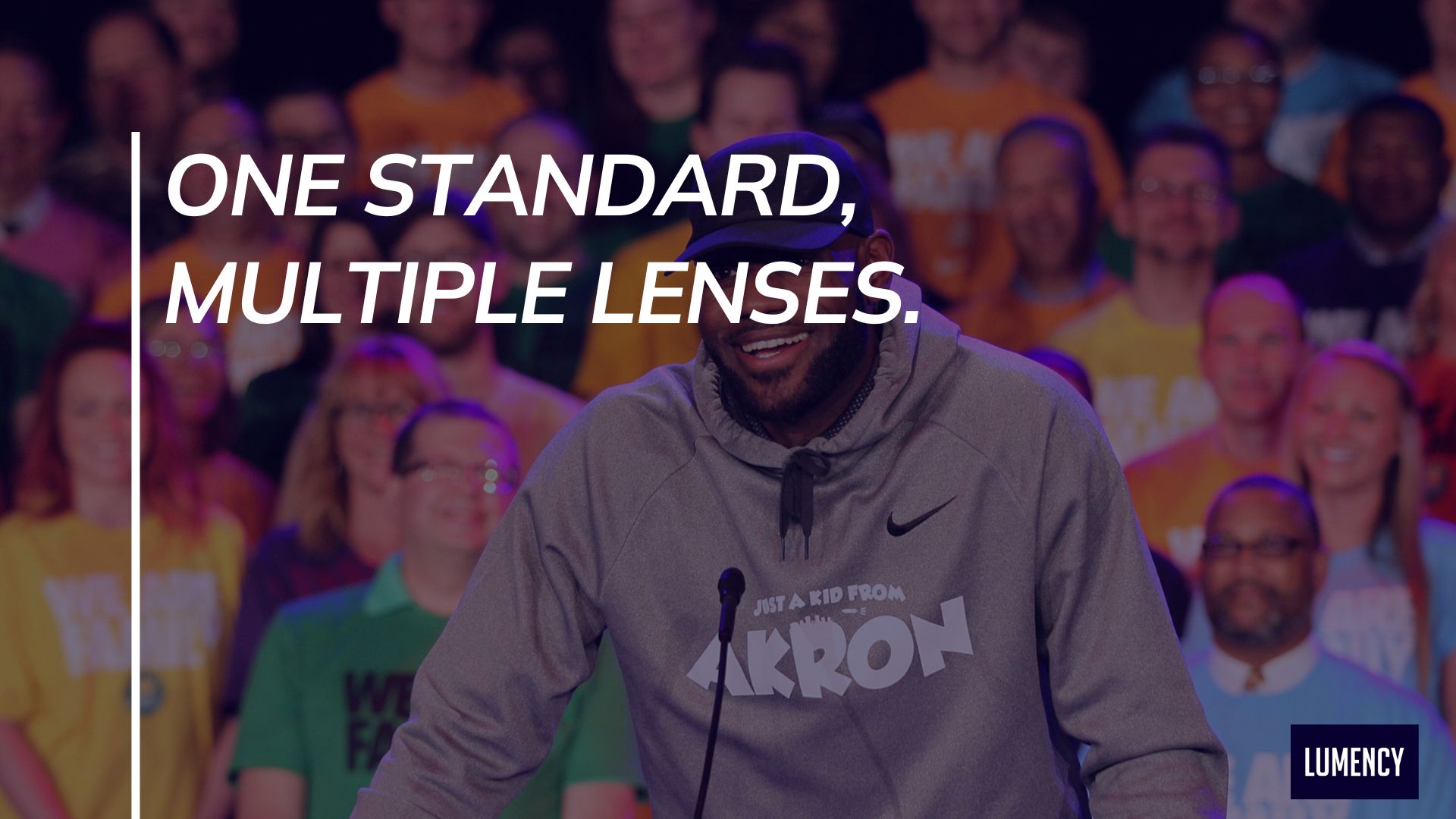
Different brand owner organizations use different labels for sponsorships. The real distinction isn’t in the terminology, it’s in how unevenly they’re managed and evaluated. For clarity in this article, “sponsorship” refers broadly to four relationship types: commercial, community investment, athlete/entertainer, and cross-promotional.
Evaluation is uneven: some partnerships are measured rigorously, others neglected, and too often the wrong metrics are applied. Some sit inside the marketing organization, others sit outside of it entirely. The result is fragmented governance, uneven accountability, and brand investments that don’t deliver their full potential.
Sponsorships should all be evaluated with discipline, but not all with the same lens.
Commercial
Sports, arts, music, culture, and community properties often attract the largest budgets. Because of this, commercial sponsorships are more likely to receive structured evaluation.
Rights packages tend to be extensive: media, hospitality, digital content, on-site integration.
Where rigor often falls short is in how success is measured. Too many commercial sponsorships are still evaluated primarily on exposure. A more sophisticated approach measures full-funnel impact, from awareness and consideration through to conversion and loyalty, with equal emphasis on activation design and rights management.
Community Investment
Food banks, health foundations, youth organizations, and other pro-social partners are often mislabeled as philanthropy. In many organizations, these partnerships don’t even sit within marketing. They may be managed through CSR, communications, or HR. That’s a mistake.
Community investment partnerships are not donations. They are strategic brand investments that build trust, reputation, and credibility. They connect directly to corporate ESG agendas and, when activated well, deliver powerful upper-funnel storytelling.
The problem is that they rarely receive the same rigor as commercial sponsorships. Brand owners sometimes feel it is “icky” to optimize these relationships. In reality, it’s responsible stewardship of investment. They should be governed and evaluated with the same discipline as any other marketing spend.
Athlete and Entertainer
These partnerships often move fast. An athlete or recording artist becomes available, and a brand jumps at the opportunity to link up. The associative value can feel immediate and exciting.
But deals with talent are too often made without adequate valuation or risk assessment. They may generate implied endorsement and strong campaign impact, but without rigor, brands risk overspending, misalignment, or exposure to reputational fallout.
The right approach is to treat athlete and entertainer partnerships as campaign-focused sponsorships. They should be measured on campaign impact, associative strength, and fit with brand positioning, and stress-tested for risk before the contract is signed.
Cross-Promotional
When two brands align to share audiences, retail channels, or loyalty programs, the partnership often looks disciplined on paper. Negotiations usually include detailed scopes, deliverables, and investment levels.
The challenge is imbalance. Too often, one brand extracts disproportionate value while the other is left carrying the cost. For example, an automotive brand might link with an outdoor apparel brand to reach adventure-seeking consumers. Without a clear framework for valuing rights and defining success metrics, one partner benefits more than the other and the weaker side may not even realize it.
The key is to apply the same rigor as with any other sponsorship: assess the value of the rights on offer, define success measures, and govern the relationship to ensure it delivers real return.
The Case for Uniform Governance
The problem in most organizations isn’t overspending or over-evaluating, it’s uneven discipline. Some sponsorships are often measured narrowly on exposure. Others are ignored because they sit outside the marketing function. Athlete and entertainer deals are often struck without any valuation framework at all. Cross-promotional partnerships may look structured but often hide lopsided value exchange.
The result is a portfolio where budgets are spent but not managed consistently as investments.
Three principles can correct this:
1. Centralize governance within marketing.
All sponsorships, whether commercial, community investment, athlete, or cross-promotional, should live under the marketing function. When they sit in CSR, HR, or communications, rigor disappears. Sponsorship is not philanthropy or PR spend. It is a brand investment lever, and marketing is where investment discipline lives.
2. Differentiate evaluation lenses but standardize the process.
Every type of sponsorship requires its own lens:
- Commercial sponsorships should be tracked across the full funnel — awareness, consideration, conversion, loyalty.
- Community investment sponsorships should be assessed against CSR/ESG alignment, trust, and reputation lift.
- Athlete and entertainer deals should be stress-tested for fit, associative strength (implied or explicit endorsement), and risk exposure.
- Cross-promotional partnerships should be evaluated for incremental reach and return, with a clear framework to ensure your brand isn’t subsidizing the partner.
The lens changes, but the process should not. Each partnership should be valued up front, tracked against clear objectives, and reviewed consistently.
3. Optimize activations, not just rights.
Most brands put discipline into negotiating rights packages but less into activating them. Rights without activation don’t drive return. Uniform governance ensures not just that rights are accounted for, but that activation design is intentional, measured, and resourced properly.
When sponsorships are governed in silos, the organization ends up with inconsistent accountability and fragmented reporting. When they are governed uniformly, sponsorship spend is treated as investment capital, optimized, measured, and comparable across the portfolio.
Sponsorships are not one-size-fits-all. But governance should be.
And, sponsorships aren’t discretionary spend. They are capital investments in brand growth. Apply one standard of rigor, use the right lens for each type, and the return follows.