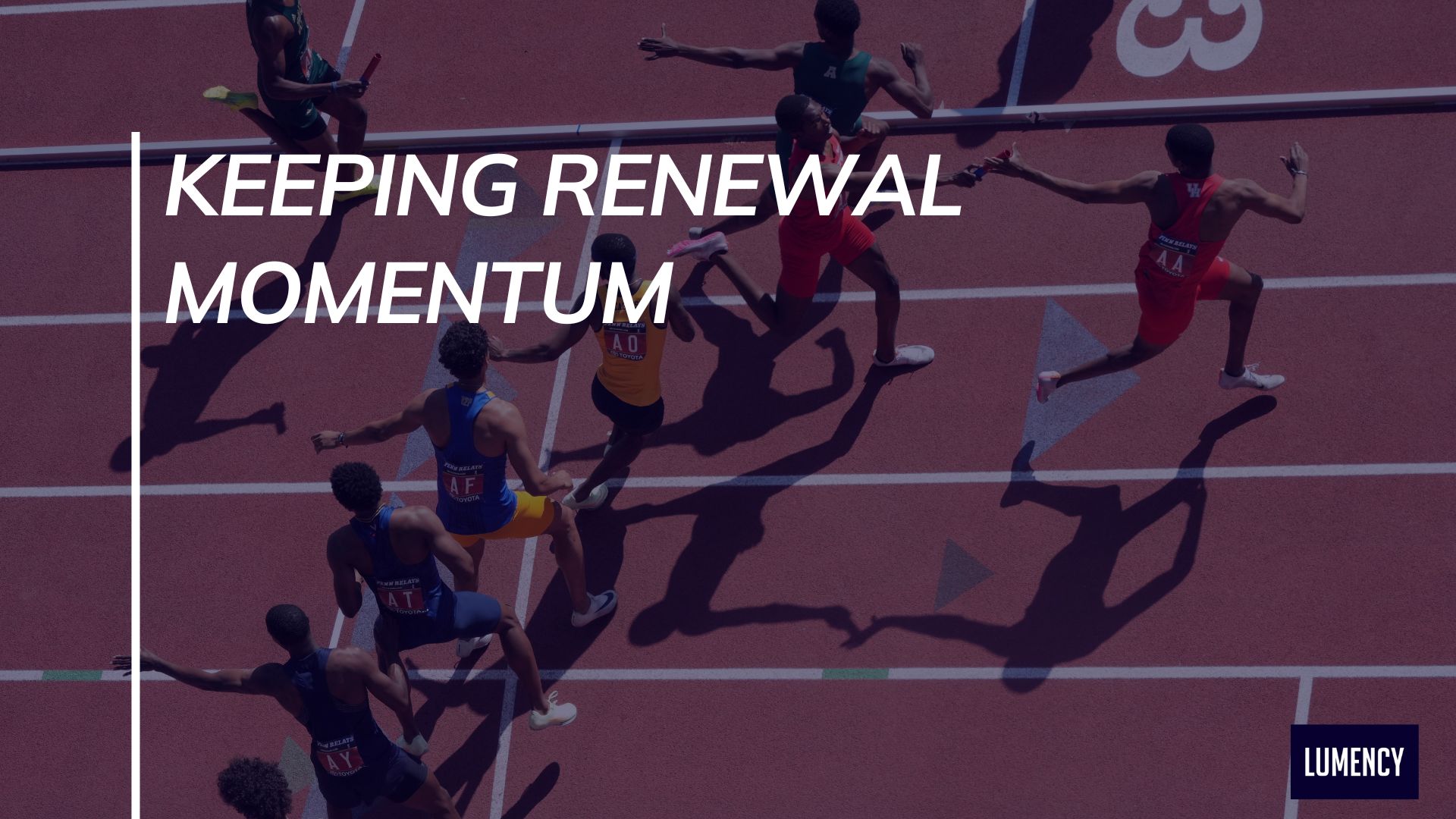
Sponsorship renewal discussions can move at two very different speeds. When a renewal is well-governed and initiated early, negotiations are more likely to be efficient, constructive, and predictable. When they’re not, both the sponsor and property can find themselves in a slow, reactive process that burns time and erodes leverage.
Why Renewals Stall
Sometimes the slowdown starts on the brand side. Internal alignment can take time, especially when senior leadership or procurement become involved late. But most often, lagging timelines trace back to the property. In our experience, delays aren’t always about workload or disorganization, they can be tactical.
Properties may hold back a renewal process to create tension as an exclusive negotiation window nears its end. By manufacturing a false sense of urgency, they hope to push the sponsor into paying more or conceding on other terms simply to “get the deal done.” In other cases, the property may intentionally drift past the end of the exclusive
window so they can take the category to market. Back-channel conversations with competitors are technically a breach of contract, but proving it, and enforcing it, is usually impractical unless the deal is very large.
Start With Governance
In a global study by Lumency and the World Federation of Advertiser, we found that fewer than half of brand-side sponsorship professionals rate their organization’s governance as “robust.” Many sponsorship leads are so focused on activation delivery that renewals arrive without a structured process in place. That gap not only creates stress, it gives away control.
Sponsors need a defined renewal framework that includes timing triggers, leverages a match-contact matrix, and sets expectations for how exclusive negotiation windows operate. Renewal governance shouldn’t just guide process; it should protect value.
Fix the Window, Then the Cadence
A critical clause in any sponsorship agreement is how the exclusive negotiation window is defined. Too often, it’s tied to a date, say, 120 days before contract expiry. That gives the property every incentive to delay sending a formal offer until late in that period, wasting precious time.
A better approach is to make the exclusive negotiation window event-bound, not date-bound. The clock should start only when the sponsor receives a bona fide written renewal proposal and offer. This shifts the onus to the property to initiate and prevents gamesmanship that erodes the sponsor’s leverage.
Of course, that advice only helps if it’s built into the contract. If you’re already mid-renewal and the deal is moving slowly, you can’t retrofit an event-bound clause. What you can do is apply the same principle in practice. Set clear expectations for proposal timing, create mutual accountability around response cadence, and document every step so you can strengthen future agreements.
From there, sponsors can guide pace by:
- Providing the property with a timeline before the exclusive window opens, including target agreement date and expected cadence of proposal/counterproposal.
- Stating a clear response deadline (for example, “within three business days”) when sending a counterproposal. It’s not enforceable, but it sets expectations.
- Using the match-contact matrix to ensure senior stakeholders reach out to their counterparts before negotiations begin, signaling commitment to the partnership and seeding context on renewal priorities for spend, term, and assets.
Renewal discussions typically take three rounds of negotiation; Lumency’s record is nineteen. Sponsors shouldn’t interpret multiple rounds as failure; it’s often a sign of due diligence and rigor.
When the Process Drags
If the discussion pace slows, on either side, formalize an extension to the exclusive negotiation window. Never rely on a verbal or email agreement to extend. Push for and execute a simple amendment to the contract that explicitly adds time. Four weeks is typical; longer may be needed for large, multi-market partnerships.
And sometimes, persistence matters as much as process. Call, email, and escalate through match contacts if you must. When senior leaders on both sides demonstrate momentum, negotiations tend to move.
The Takeaway
Slow renewals are rarely just about timing. They’re a signal of process and power dynamics. Sponsors that govern renewals intentionally keep control of both. Establishing an event-bound negotiation window, disciplined cadence, and clear internal alignment gives brands the best chance of landing renewals that are timely, fair, and defensible.
If your team is struggling with renewals that drag, or if you suspect your process is too property-led, it might be time for a governance audit or renewal-process redesign. We can help with both.