
In many brand-owner organizations, sponsorship and media planning run in parallel instead of as one system. That separation shows up directly in how efficiently budgets get deployed.
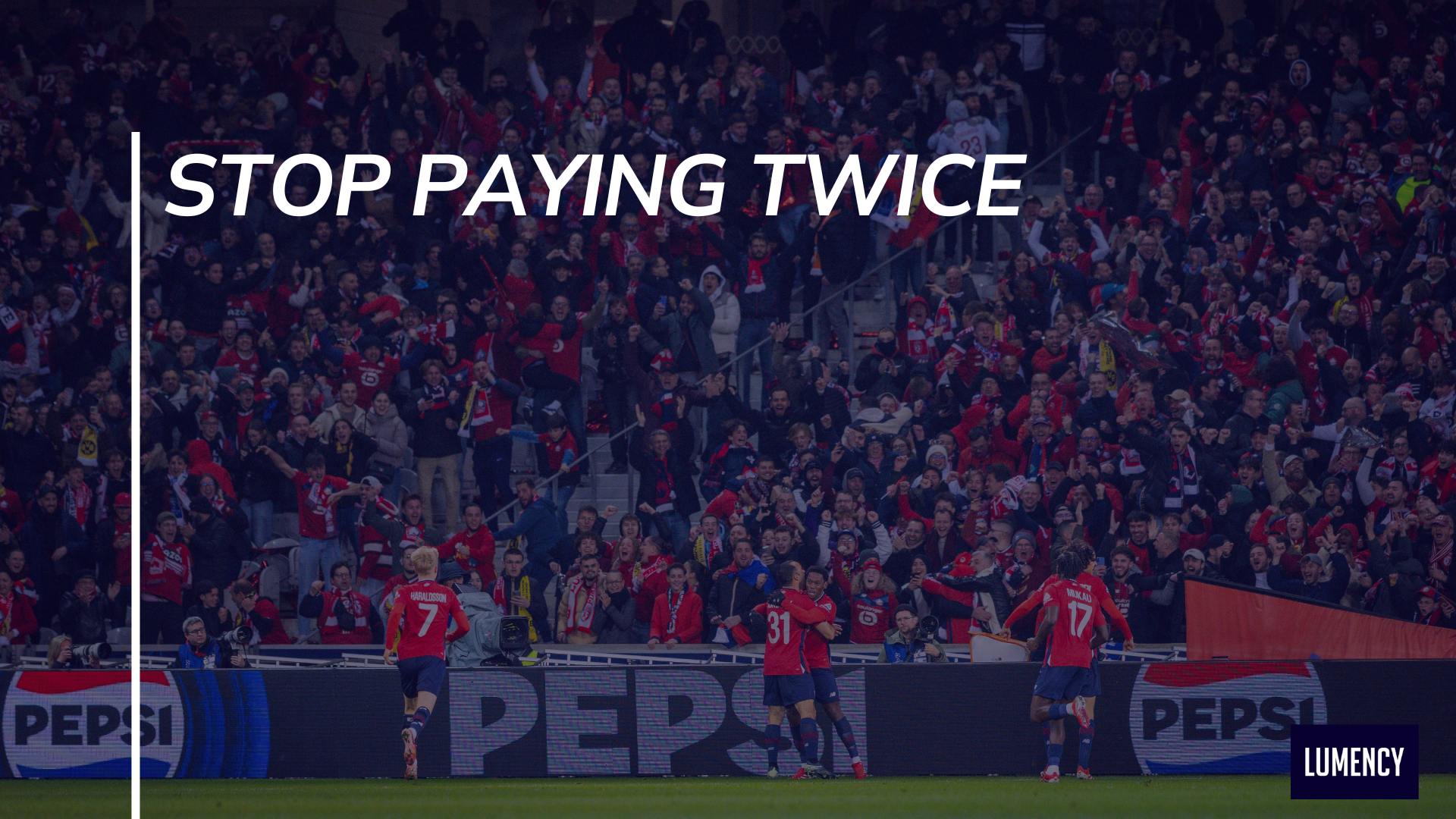
When sponsorship-delivered exposure isn’t built into media modeling, brands risk paying twice, buying exposure they are already getting through partnerships. This shows up most clearly in sport, where broadcast assets like camera-visible signage, branded segments, and digital inventory deliver real media weight. That exposure is measured. It has assigned value. It builds reach and frequency.
But sport is not the only place this happens. Festival partnerships deliver digital inventory and social reach. Cultural platforms create ownable content environments. Purpose-led partnerships generate earned and shared media through storytelling and community activation. Even B2B sponsorships can drive meaningful impression volume across trade and owned channels. The mechanics differ, but the media weight is real.
Media plans, meanwhile, are built around reach curves, effective-frequency thresholds, duplication modeling, and frequency caps. Paid weight is tuned carefully to hit targets across audiences and channels. The problem is that sponsorship exposure often sits outside that process. Broadcast integrations may not be modeled into reach assumptions. Digital impressions from partnership platforms may not be reflected in duplication modeling. Social exposure driven by sponsorship content may not be included in frequency calculations.
The broader paid media plan is often built as if that exposure does not exist. The result is not a failure to measure sponsorship. Most brands can value their sponsorship assets. The issue is that those numbers don’t always make it into the media model. When a sponsorship portfolio is already delivering meaningful exposure into a priority audience and the paid plan is optimized independently, brands can hit effective frequency sooner than expected. Incremental paid impressions add cost without delivering proportional incremental reach.
This is a case for adjusting media investment to reflect the exposure your sponsorship portfolio is already generating.
What to do about it
For brand, media, and sponsorship leads, this is less about creating new dashboards and more about changing how plans get built:
- Keep the teams connected. Make sponsorship and media planning part of the same ongoing process, not just a check-in before the buys or after the recap. Keep anticipated and in-flight sponsorship-delivered exposure visible as media plans are built, optimized, and refreshed.
- Plan for big-moment spikes. Treat knockout runs, finals, and tentpole events, UEFA match nights, MLB playoff runs, cup finals, as scenarios where sponsorship exposure can suddenly outweigh “normal” media assumptions. Build simple rules for what happens to paid weight when a partner team goes deep or a property hits an outsized audience.
- Model sponsorship exposure into reach. Treat broadcast integrations, digital inventory, and sponsorship-led social as inputs to reach and duplication models, not as “nice-to-have” extras on the side.
- Use sponsorship to rebalance, not just add. Where sponsorship is already heavy in a segment, pull back paid weight there and move that budget into underexposed audiences or channels.
- Give procurement a total-exposure view. Look at total cost of exposure across paid and partnership channels combined. A broadcast integration is not the same as a standard digital placement, but they can both sit in the same conversation about waste and duplication.
Sponsorship is part of the brand’s communications system. When it’s planned and validated in isolation, the media plan risks over-investing. When sponsorship-delivered weight is integrated into reach and frequency modeling, the whole mix works harder.
The opportunity here is not to squeeze more value out of sponsorship. It’s to stop paying twice for exposure you are already getting.