
Sponsorship gives brand owners access to audiences connected by shared passion. But access to an audience isn’t the same as having a relationship with it.
When the sponsored experience ends, what connection remains?
The rights holder has built the relationship with its fans. A sponsor pays for the opportunity to connect with them, but it doesn’t inherit that relationship. Establishing its own requires the right investment strategy.
Three outcomes, three different investments
Sponsorship can deliver three distinct outcomes: access to an audience, engagement with that audience and an ongoing relationship with individual consumers.
Each creates value, but the investment priorities differ. A sponsor focused on awareness needs audience reach and strong brand association. One seeking customer acquisition needs opportunities to establish direct, permission-based connections.
The distinction matters because the rights, activation and measurement required to achieve each outcome are different.
Negotiate for the outcome
At Lumency, we believe data is the most valuable asset a rights holder can provide a sponsor, after intellectual property.
IP creates the association with a property fans value. Data helps a sponsor understand those fans, engage them more effectively and potentially establish direct relationships.
But the type of data access matters.
For audience access, aggregated insights into fan demographics, behaviours and interests can improve targeting and investment decisions.
For engagement, access to the rights holder’s digital channels and opportunities to interact with fans can help the sponsor build connections through content and activation.
For relationships, the priority shifts to opportunities to collect permission-based consumer data that enables direct communication beyond the sponsorship.
Here’s the critical distinction: access to a rights holder’s database does not automatically give a sponsor permission to market to those fans.
Privacy legislation shapes what data rights holders can collect and share with sponsors. Requirements vary significantly across markets, with the EU and Canada among the most restrictive and regulations generally tightening globally.
For sponsors, this makes understanding the data opportunities available in each market an important part of evaluating a partnership.
Give fans a reason to connect
Securing the right data provisions doesn’t guarantee fans will want a relationship with the sponsor.
Activation needs to create a compelling reason for them to opt in.
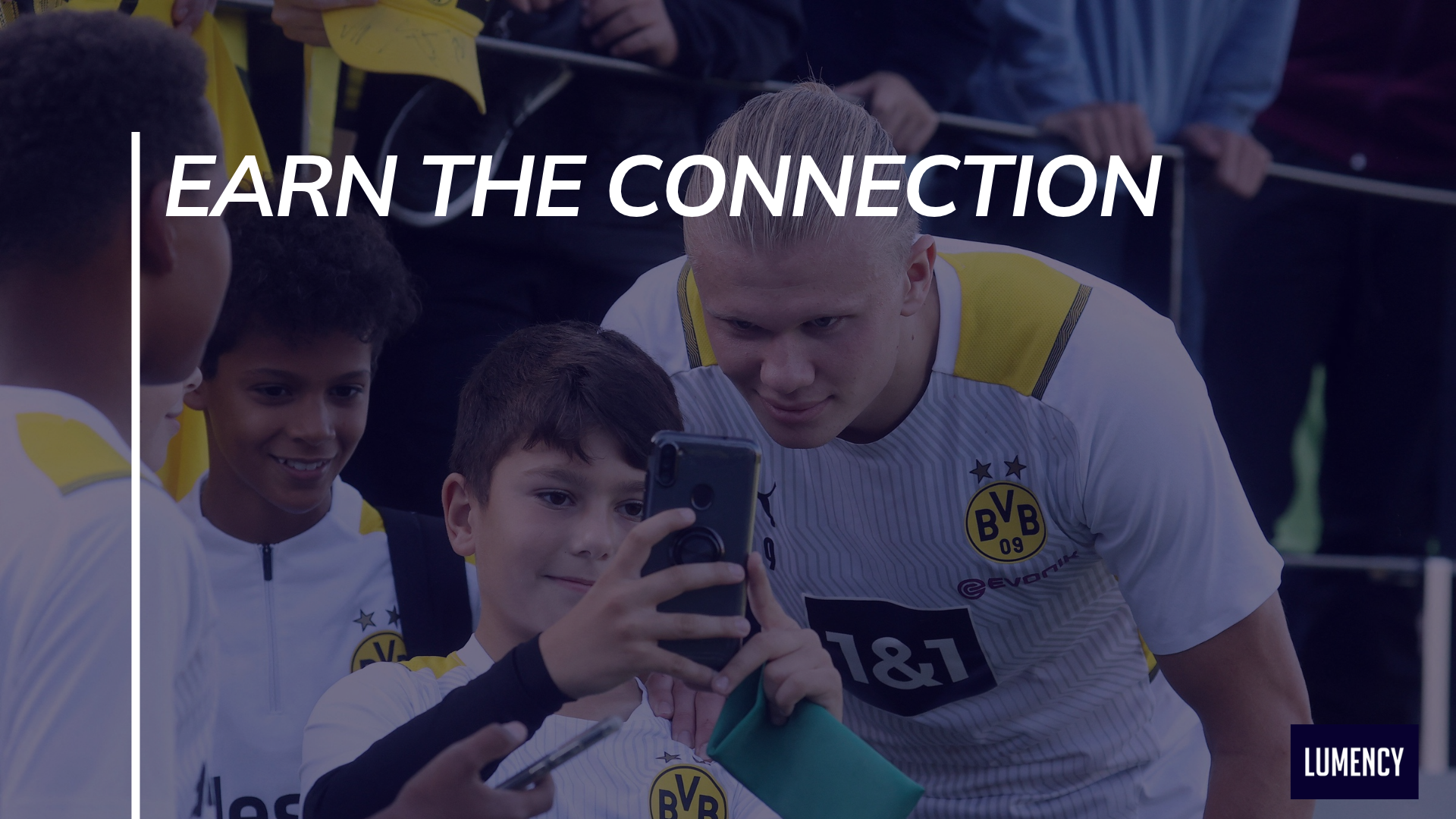
Consider a financial services brand sponsoring a major sporting property. Through the partnership, it can offer fans access to experiences they couldn’t otherwise secure, from behind-the-scenes access and player interactions to exclusive ticket opportunities.
The sponsor becomes the connection between the fan and something they value. That creates a more compelling foundation for a direct relationship, one built on the sponsor’s ability to bring fans closer to the sport, team or event they love.
The opportunity works because the sponsor offers something relevant to the fan’s existing interests.
But the initial exchange is only the beginning.
Plan for the relationship beyond sponsorship
Even when a fan opts in, the brand owner must continue delivering value to sustain the connection.
Before investing in rights intended to generate direct consumer relationships, sponsors should be able to answer three questions:
- What happens after the opt-in? Is there a relevant customer journey that builds on the initial connection?
- Can we sustain engagement? Do our existing marketing channels and capabilities support ongoing communication?
- What commercial outcome are we pursuing? How will these relationships contribute to acquisition, retention or other business objectives?
These questions should inform the rights negotiation, not emerge after the activation budget has been committed.
Measure the outcome, not just the activity
The three outcomes also require different approaches to measurement.
Access should be evaluated through audience reach, brand association and changes in awareness or consideration.
Engagement requires evidence of participation, interaction and impact on brand perceptions.
Relationships call for measures such as qualified opt-ins, subsequent engagement and downstream customer behaviour.
A large database of consumers who never engage again isn’t evidence of a successful relationship strategy.
Equally, a sponsorship designed to build awareness shouldn’t be judged by the number of customer records it generates.
The measurement framework needs to reflect what the investment was intended to deliver.
Know what you’re investing in
When direct consumer relationships are part of the investment rationale, that ambition needs to be reflected in the rights, activation and measurement strategy from the outset.
The rights must enable the connection. The activation must give fans a reason to make it. And the sponsor needs the capability to sustain it.
Access to fans is a sponsorship right. A relationship with them has to be earned.